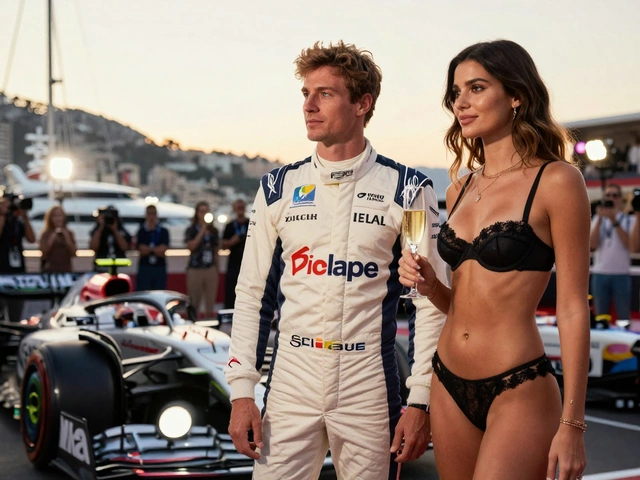
It’s not a coincidence you’ve seen photos of sexmodels standing beside F1 drivers at race weekends. You scroll through Instagram, and there they are: a driver in a racing suit, arm around a woman in designer lingerie, champagne in hand, crowd flashing lights behind them. It looks like a staged moment - and sometimes, it is. But the connection runs deeper than just branding or glamour.
The Real Reason They’re Always Together
Formula 1 isn’t just about speed. It’s about spectacle. The sport has spent decades building a global brand that blends engineering mastery with high-stakes drama, luxury, and allure. And sexmodels - or as some call them, sexmodel - are part of that ecosystem. They’re not just there for photos. They’re hired to amplify the energy, attract media attention, and create the illusion of exclusivity. Teams like Red Bull, Ferrari, and Mercedes don’t just pay drivers millions. They pay agencies to bring in people who fit the aesthetic: young, photogenic, confident. These aren’t random strangers. Many are professionally booked through agencies that specialize in motorsport events. They know the schedule, the hotspots - Monaco, Miami, Abu Dhabi - and they show up in numbers. It’s not about romance. It’s about perception. The F1 world thrives on the idea that success equals access - to wealth, to beauty, to power. And sexmodels, intentionally or not, become living symbols of that fantasy. They’re part of the show, just like the pit crew, the drone shots, the post-race interviews.How It Works Behind the Scenes
You think a sexmodel just shows up at the paddock and gets invited to the VIP lounge? It’s more structured than that. Agencies have contracts with sponsors, teams, and event organizers. Some are paid per appearance. Others get travel, lodging, and a flat fee. A few even sign long-term deals tied to a team’s marketing campaign. Take the 2024 Monaco Grand Prix. Over 80% of the women seen in official team photos were booked through three major European agencies. One of them, based in Amsterdam, specializes in placing sex model professionals at high-profile motorsport events. Their clients aren’t just models - they’re trained in etiquette, media interaction, and brand alignment. They know how to pose for a photo without looking like they’re trying too hard. They know when to smile, when to look away, and how to avoid saying anything that could go viral for the wrong reason. Teams don’t want controversy. They want clean, aspirational imagery. That’s why many sexmodels are vetted for social media presence. A follower count under 50K? Probably not selected. Someone with 200K+ and a history of brand partnerships? That’s the target.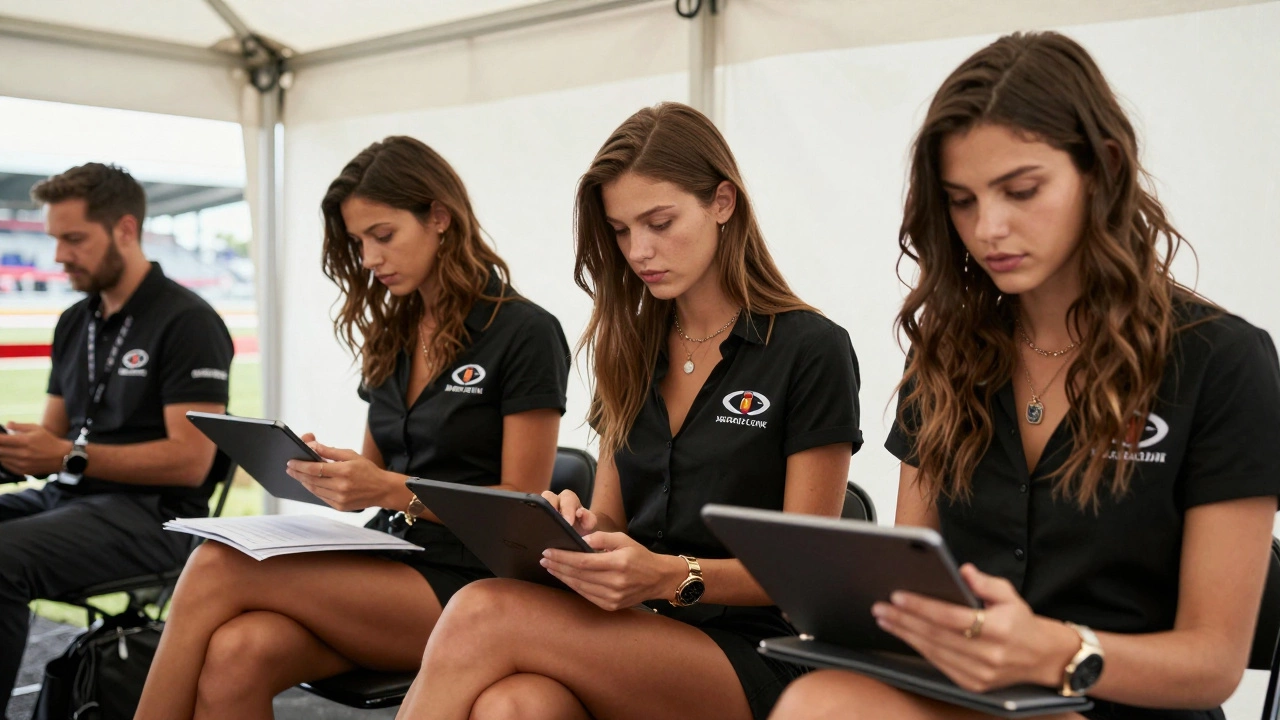
It’s Not Just About Sex
Let’s be clear: this isn’t about exploitation in the traditional sense. Many of these women are entrepreneurs. They run their own businesses. They choose when to work, who to work with, and how much to charge. Some use these appearances to launch fashion lines, fitness programs, or content platforms. One former F1 escort turned her Instagram into a lifestyle brand with over 400K followers - selling swimwear, travel guides, and wellness coaching. The line between “escort” and “influencer” is blurring fast. What was once seen as a transactional role is now a stepping stone into digital media. These women aren’t just standing next to drivers - they’re building careers. And the drivers? Most treat it like a normal part of the job. They don’t pick them. They don’t control them. They’re handed a list of approved names before the event. A few genuinely enjoy the company. Others just nod, take a photo, and move on. It’s work for both sides.Why This Keeps Happening
F1’s audience is global, young, and male-dominated - but changing fast. Women now make up nearly 40% of viewers in markets like the U.S. and Germany. The sport knows it needs to evolve. So it leans on visual storytelling. And nothing grabs attention faster than a striking image. Sponsors love it. Cosmetics brands, luxury watches, car companies - they all want their products seen alongside beauty and speed. The sexmodel becomes a living billboard. She’s not selling a product directly. She’s selling a feeling: success, freedom, glamour. And in a sport where a single photo can go viral and earn millions in free media, it’s not irrational. It’s strategic.